 English
  Italiano
  Français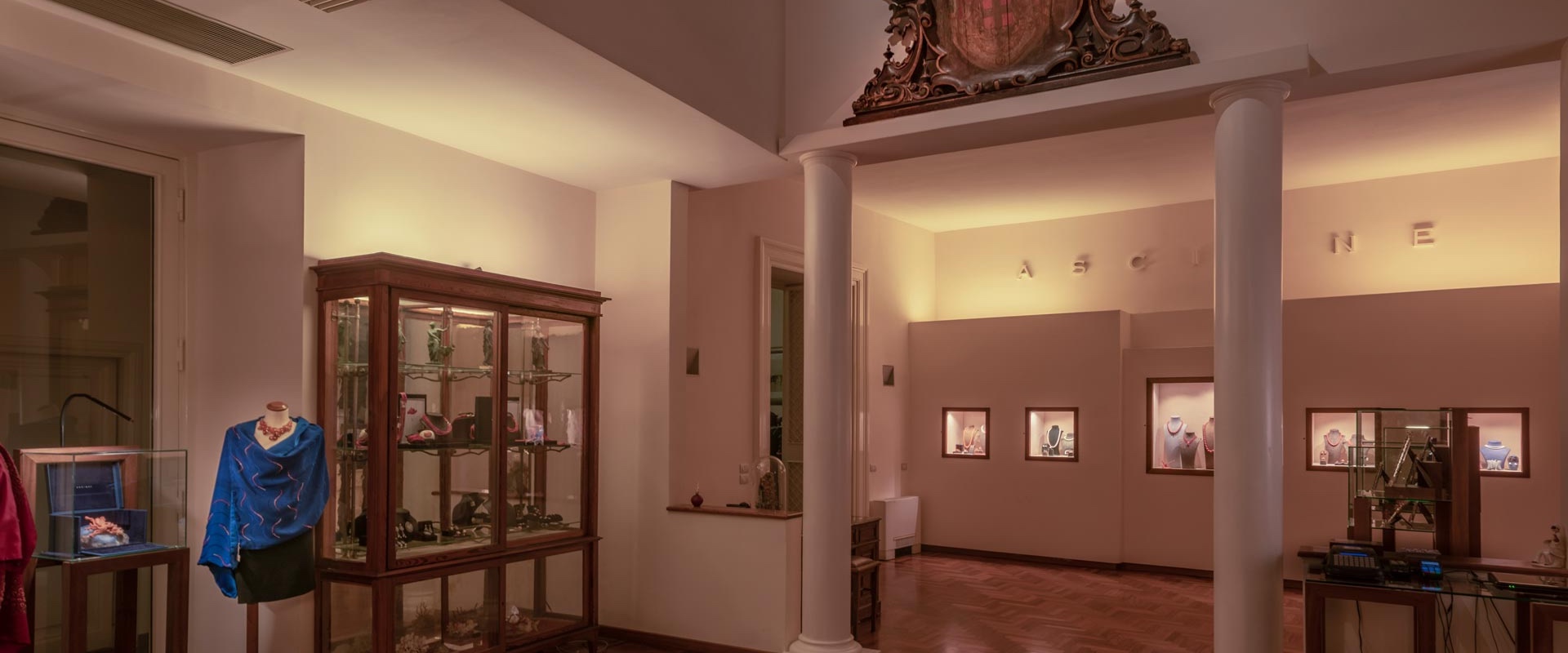
ASCIONE
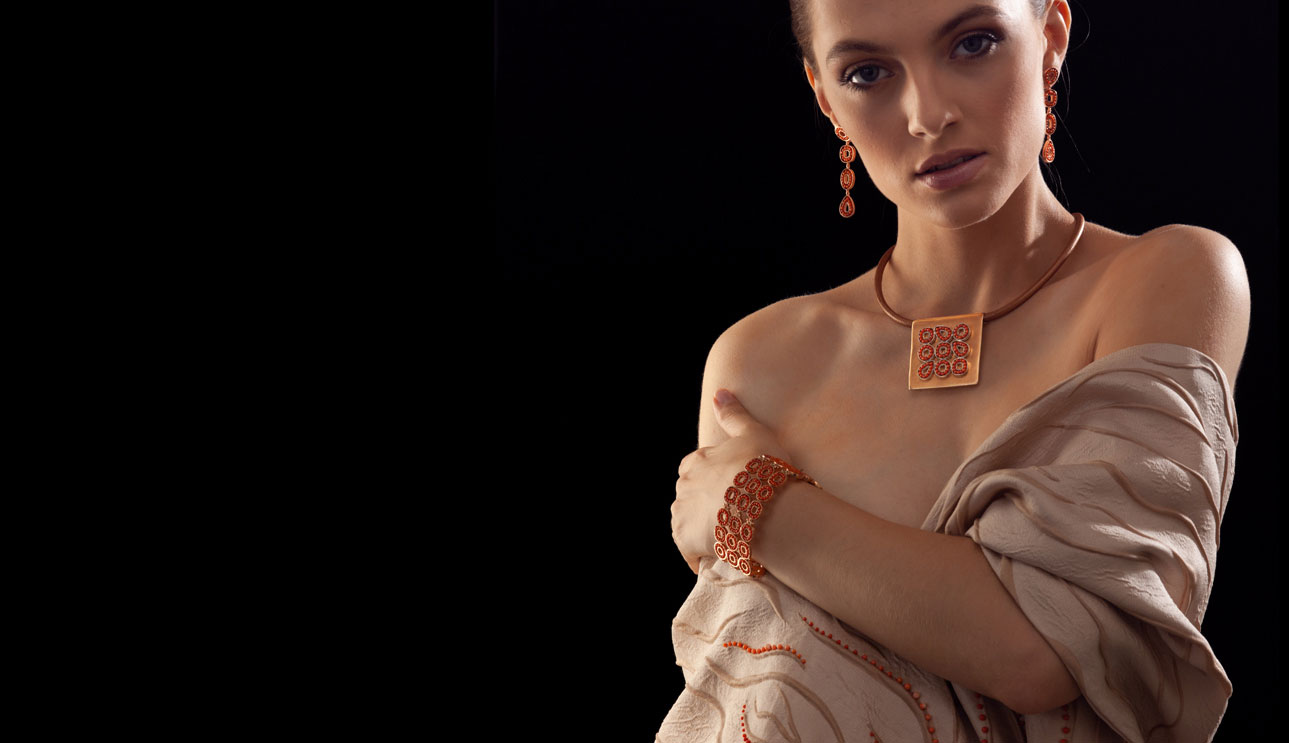
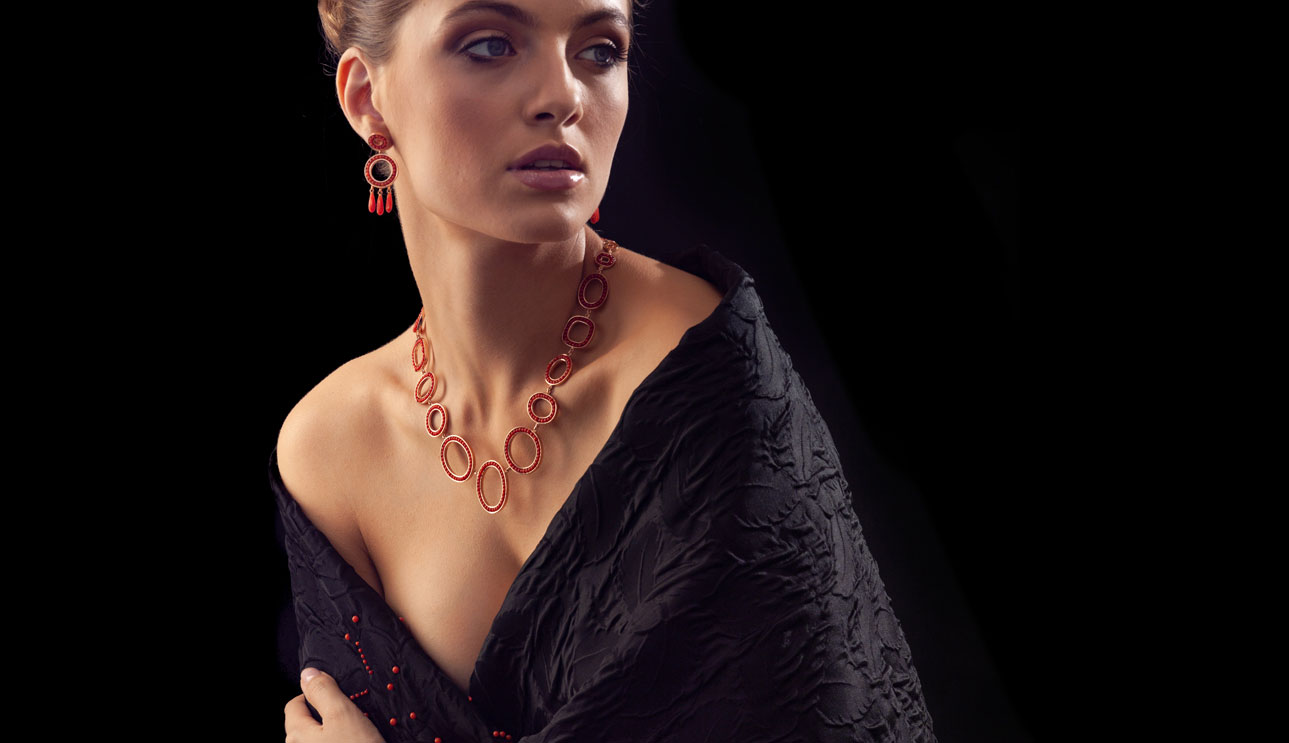
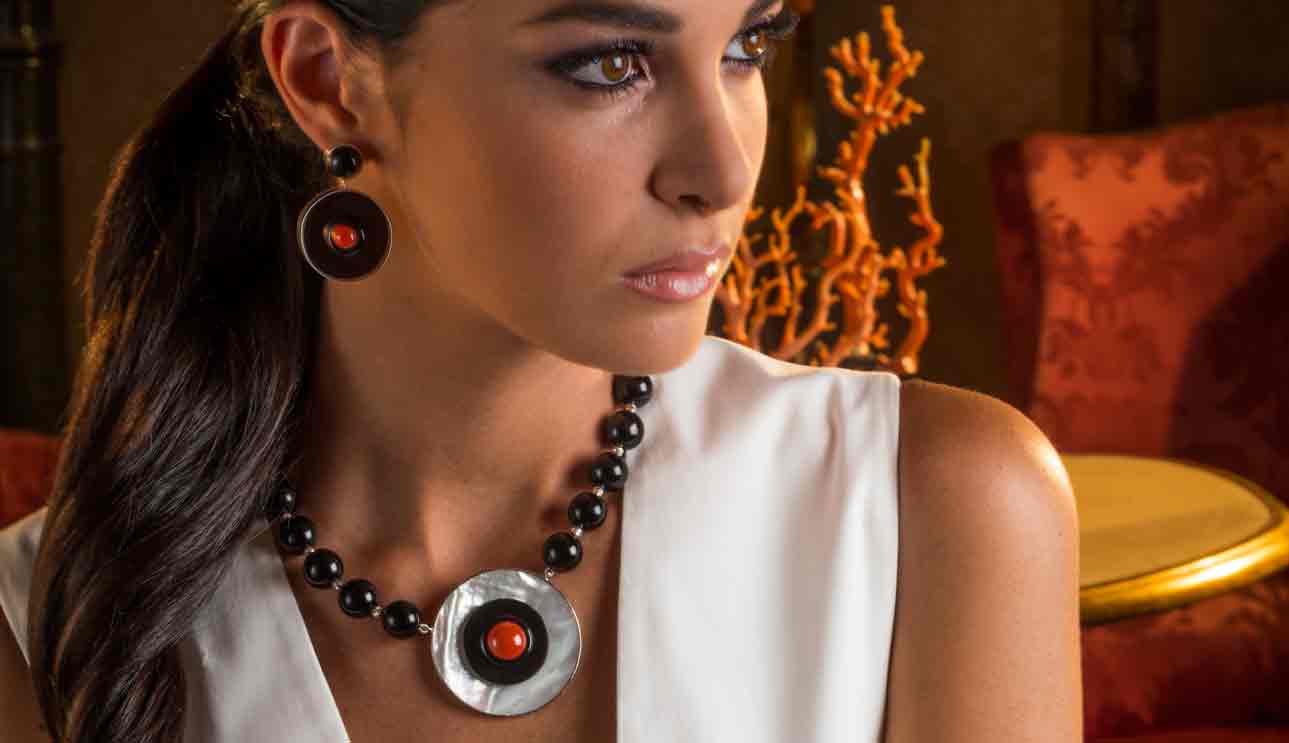
Since 1855, the Ascione brand has distinguished itself with its refined rigor, interpreting trends in taste and fashion in jewellery and goldwork.
For more than one hundred and fifty years, its production has reflected modern styles in ever new forms.
The first sensation one has when crossing the threshold of Casa Ascione, in the ancient building in Via Romano in Torre del Greco, is that of embarking on a journey into the past.
Inside, everything — from the precious showcases to the large halls and the walls themselves, enriched by ancient parchments representing the many awards granted to an art that has no equal — seems to tell the story of the intense activity that the Ascione family has been carrying out for one hundred and fifty years.
As is clear from the historical archive of the Naples Chamber of Commerce, the Ascione company is the oldest manufacturer in Torre del Greco in the delicate and prestigious sector of the artistic processing of coral, cameos, mother-of-pearl, hard stones and precious metals.
After the liberalization of the monopoly of the Royal Factory in 1815, Giovanni Ascione, son of Domenico, owner of a coral shop and museum, decided to devote himself to coral manufacturing, an activity introduced to Torre del Greco at the beginning of the 19th century. Giovanni and his ten children succeeded in making the Ascione brand known for the refinement of their production, so much so that they registered with the Naples Chamber of Commerce in 1855 and later received numerous international awards, visible in the rooms of the Coral Museum.
The museum is located on the second floor of the main façade of the Galleria Umberto I in Naples and occupies much of it. This allows visitors to enjoy an exceptional view of some of the most exclusive and history-rich places in the city.
The Ascione showroom represents an unparalleled artistic collection, which was created in the second half of the 19th century, when the Neapolitan family began working with authentic coral to create true works of art.
In particular, the museum is divided into two sections: in the first, didactic section, coral branches of different origins and types are presented, together with ancient fishing systems, ancient processing tools, numerous necklaces in various cuts and styles, and the markets for which they were, and still are, destined.
A space is also dedicated to cameo workmanship: the shells, the tools, the processing stages and the finished objects give visitors a complete and exhaustive picture of this very particular art.
The second section is dedicated to jewellery: more than three hundred objects in coral, cameos and lava stone are on display, evidence of a rare and refined production ranging from the early 19th century to the 1940s.
The path is accompanied by rich paper and photographic documentation illustrating the company’s activity and its numerous awards for the quality and originality of its jewels.
Tradition in Naples exists and is more alive than ever. It takes very little to discover it!
(author: C. Crispino – taken from the site of the University of Naples Federico II – “City and Surroundings”)
For information:
info@ascione.it
www.ascione.it